
How Local Plastic Recycling Can Build Stronger Circular Economies
Discover how local plastic recycling connects collection, manufacturing, and purchasing to create measurable community value and stronger circular economies.
From Plastic Waste to a Local Circular System
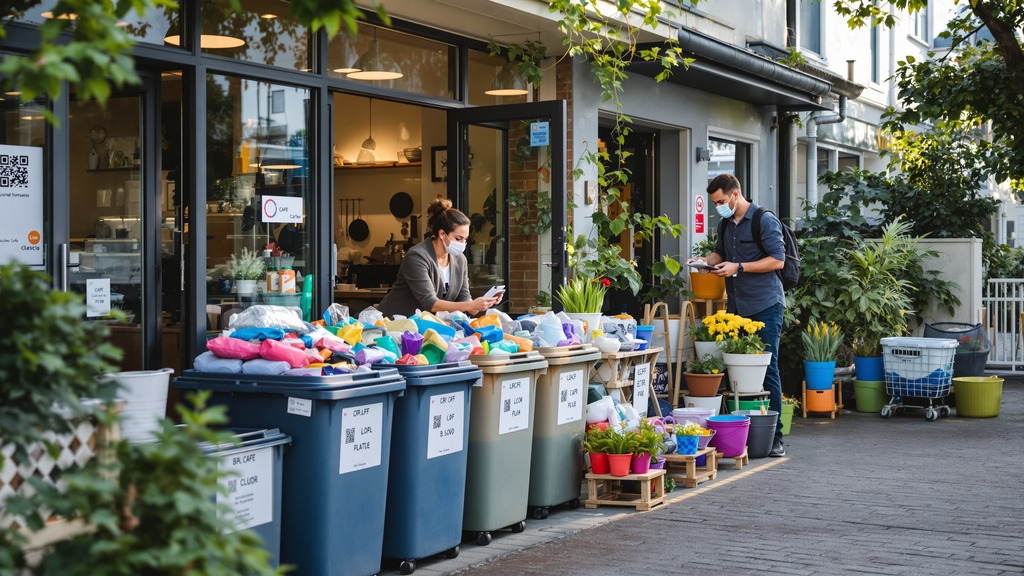
A circular economy works best when materials remain useful for as long as possible. In many communities, however, plastic packaging is discarded because collection systems are inconsistent, sorting is difficult, and affordable alternatives are not readily available. Local recycling can close that gap by connecting residents, businesses, processors, manufacturers, and buyers within a shared regional network.
The opportunity is more than removing waste from streets or landfills. A community can collect eligible plastics, record their source and weight, process them into usable production inputs, and turn them into products people already need. EcoLoop1 illustrates this model by linking collection shops and community partners with local manufacturing and online or wholesale sales. When a café, retailer, or neighborhood group contributes material and later purchases planters, bags, storage goods, or décor made from it, recycling becomes a visible economic cycle. This approach makes circular economy principles practical, strengthens community sustainability, and creates local value from materials that would otherwise be discarded.
What Makes Local Recycling Economically Viable
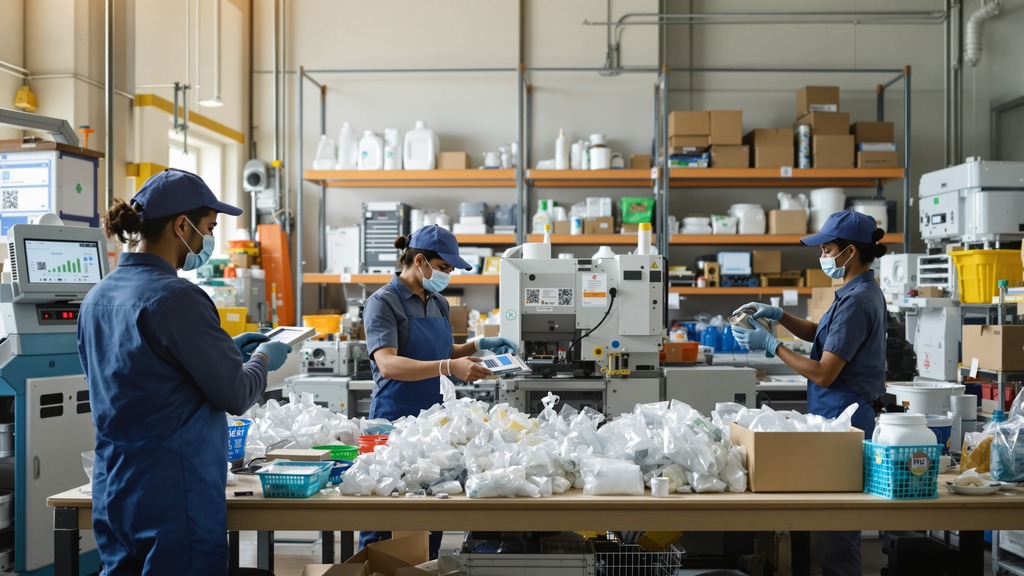
Strong local recycling depends on dependable supply, suitable materials, and nearby demand. Collection partners need clear guidelines about which plastics are accepted, how items should be prepared, and when pickups will occur. Digital scales, QR labels, partner records, and transparent payouts can improve accountability while showing exactly how much material each site contributes. Reliable data also helps operators forecast supply, identify contamination, and report waste diversion to participating businesses and customers.
Processing choices matter just as much. Some plastics can be sorted, cleaned, shredded, pressed, or molded into durable products, while others may require different equipment or should be excluded altogether. A focused material stream often produces better results than accepting everything. Local demand then completes the business case. Restaurants may want branded planters, retailers may need reusable bags, and households may purchase storage goods or décor. Selling through e-commerce, local delivery, wholesale ordering, and custom production creates multiple revenue channels. This combination of disciplined collection, efficient processing, and nearby purchasing gives local recycling a stronger foundation than awareness campaigns alone.
Building Demand, Trust, and Long-Term Community Impact
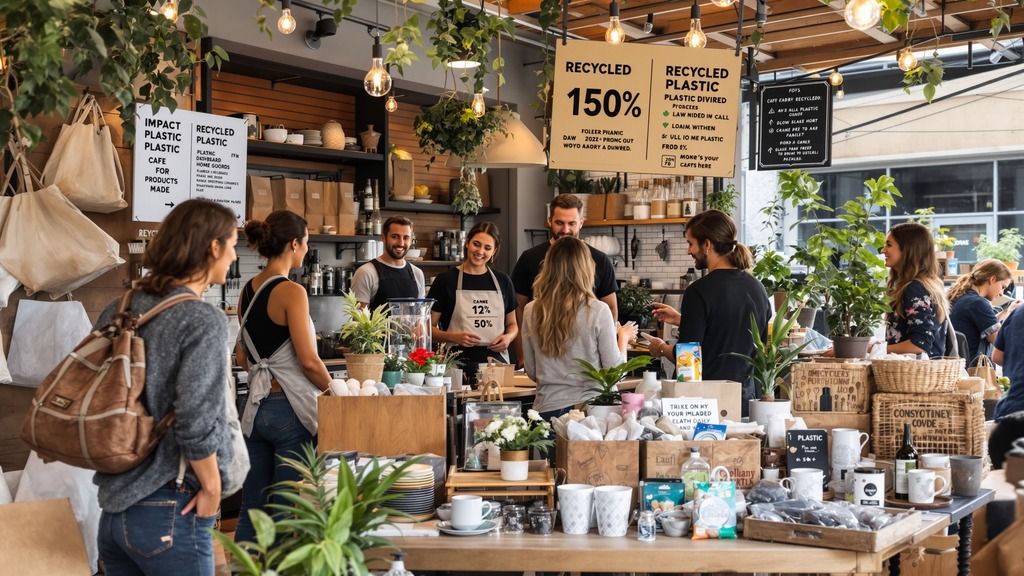
Local circular economies become durable when people can see the connection between their actions and the outcomes. A collection partner should be able to learn how much plastic was diverted, where it went, and what products it helped create. A customer should be able to purchase a useful item with confidence that its recycled content and local story are supported by credible records. Clear impact reporting can include material weights, collection locations, processing results, payouts, and products sold, while avoiding exaggerated environmental claims.
The next step is to build a network rather than a single project. Collection shops, schools, hospitality operators, community groups, designers, manufacturers, and retailers can coordinate around shared standards and purchasing commitments. Businesses can start with one approved material stream or a small branded product batch, then expand as supply and demand become predictable. For shoppers, choosing durable locally made goods supports both waste reduction and local revenue. With practical infrastructure and transparent participation, local recycling becomes more than a disposal service: it becomes a pathway to community sustainability, resilient commerce, and a stronger circular economy.